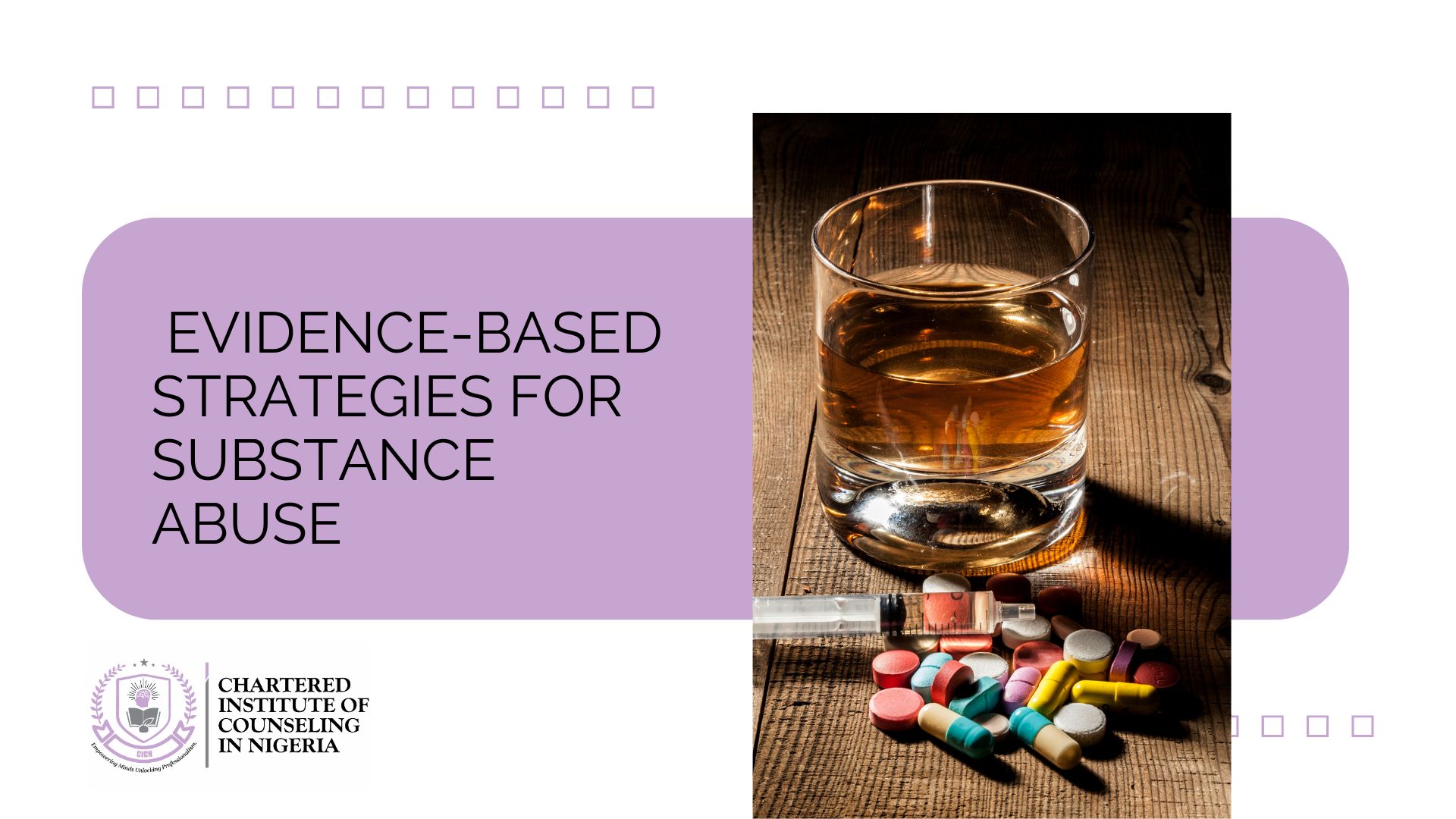
About Course
Course Overview
Addiction and substance abuse continue to pose major challenges to individuals, families, and communities worldwide. Effective counseling for addiction requires a combination of evidence-based interventions, psychological insight, and empathy to support recovery and prevent relapse.
This short CPD course equips counselors, therapists, and mental health professionals with practical knowledge and skills to assess, intervene, and support individuals struggling with addiction. Participants will explore models of addiction, relapse prevention strategies, motivational interviewing, cognitive-behavioral interventions, and family systems approaches.
Through interactive exercises, case studies, and role-plays, participants will gain the skills to engage clients empathetically, design personalized treatment plans, and facilitate sustainable recovery, promoting healthier outcomes for individuals and their support systems.
Learning Objectives
By the end of this course, participants will be able to:
-
Understand the psychological, social, and biological factors contributing to addiction and substance abuse.
-
Identify signs, symptoms, and stages of substance use disorders.
-
Apply evidence-based counseling strategies, including motivational interviewing and CBT, in addiction interventions.
-
Develop personalized treatment and relapse prevention plans for clients.
-
Engage families and support networks to enhance recovery outcomes.
-
Address ethical and professional considerations in addiction counseling.
-
Promote resilience, coping strategies, and long-term behavioral change in clients.
Course Content
Lecture 1
-
Introduction
-
Types of Drugs
Lecture 2
Lecture 3
Lecture 4
Lecture 5
Lecture 6
Appendix
Student Ratings & Reviews

No Review Yet