Abstract
Autism Spectrum Disorder (ASD) remains significantly misunderstood across Sub-Saharan Africa, where cultural, spiritual, and socio-economic frameworks often shape its interpretation. Rather than being recognized as a neurodevelopmental condition, autism is frequently attributed to supernatural causation, moral transgression, or parental failure. These misinterpretations contribute to delayed diagnosis, stigmatization, and inadequate clinical intervention. This paper critically examines the cultural constructions of autism within Sub-Saharan African contexts, with particular emphasis on Nigeria, and explores their clinical and social consequences. Drawing on cross-cultural psychology, developmental psychopathology, and anthropological perspectives, the paper argues for culturally informed mental health frameworks that integrate indigenous belief systems with evidence-based practice. Recommendations are proposed for clinicians, policymakers, and community stakeholders to improve outcomes for autistic individuals and their families.
Introduction
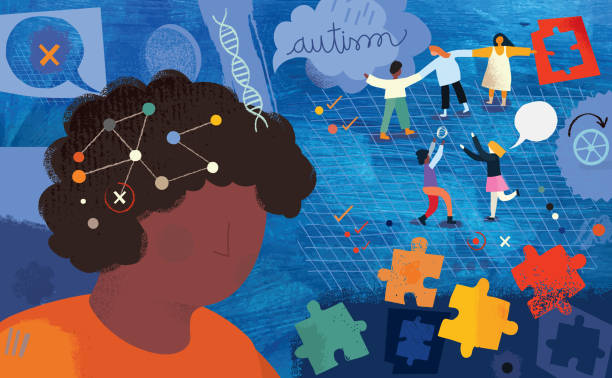
Autism Spectrum Disorder (ASD) is a neurodevelopmental condition characterized by differences in social communication, restricted interests, and repetitive patterns of behavior (American Psychiatric Association, 2013). While global awareness of autism has increased substantially in recent decades, understanding remains uneven across regions. In Sub-Saharan Africa, autism is frequently interpreted through cultural and spiritual lenses that diverge from biomedical models.
These interpretations are not merely benign cultural variations. They have profound implications for diagnosis, treatment, and social inclusion. In many African communities, behaviors associated with autism are often perceived as signs of spiritual disturbance, witchcraft, or divine punishment (Bakare & Munir, 2011). Consequently, families may prioritize traditional or religious interventions over clinical care, leading to significant delays in diagnosis and treatment.
This paper examines how cultural misinterpretations of autism shape clinical outcomes and social experiences in Sub-Saharan Africa, highlighting the urgent need for culturally responsive mental health systems.
Autism in Cross-Cultural Context
The understanding of autism is deeply embedded in cultural frameworks. Cross-cultural psychology suggests that perceptions of normality and pathology are influenced by societal norms, belief systems, and explanatory models of illness (Kleinman, 1980).
In many Western contexts, autism is conceptualized within a neurodiversity framework, emphasizing variation rather than deficit (Singer, 1999). However, in Sub-Saharan Africa, limited awareness and strong cultural beliefs often result in alternative explanatory models, including:
- Spiritual possession or demonic influence
- Ancestral punishment or curses
- Consequences of parental wrongdoing
- Effects of maternal behavior during pregnancy
These interpretations shape help-seeking behavior, often diverting families away from evidence-based interventions toward spiritual or traditional healing practices.
Clinical Consequences of Misinterpretation
1. Delayed Diagnosis
Early diagnosis is critical for effective intervention in autism. However, in Sub-Saharan Africa, children are often diagnosed much later than in high-income countries. Cultural misinterpretations contribute significantly to this delay, as atypical behaviors may not be recognized as clinical concerns.
Research indicates that many African parents initially seek help from religious or traditional healers before consulting medical professionals (Bakare et al., 2009). This delay reduces the effectiveness of early intervention strategies, which are crucial during critical developmental periods.
2. Inappropriate or Harmful Interventions
Misinterpretations of autism can lead to interventions that are not only ineffective but potentially harmful. These may include:
- Exorcism or spiritual cleansing rituals
- Physical restraint or punishment
- Social isolation
Such practices can exacerbate behavioral challenges and contribute to trauma, further complicating clinical outcomes.
3. Limited Access to Specialized Care
Even when families recognize the need for clinical intervention, access to specialized services remains limited. Sub-Saharan Africa faces a severe shortage of trained mental health professionals, particularly those with expertise in developmental disorders (World Health Organization, 2022).
This gap is compounded by inadequate training among existing healthcare providers, many of whom lack the skills to accurately diagnose and manage autism.
Social Consequences
1. Stigma and Social Exclusion
Autistic individuals and their families often face significant stigma. Misinterpretations of autism as a spiritual or moral issue can lead to social rejection, discrimination, and marginalization.
Children with autism may be excluded from schools, community activities, and peer relationships, limiting their opportunities for social development.
2. Family Burden and Psychological Distress
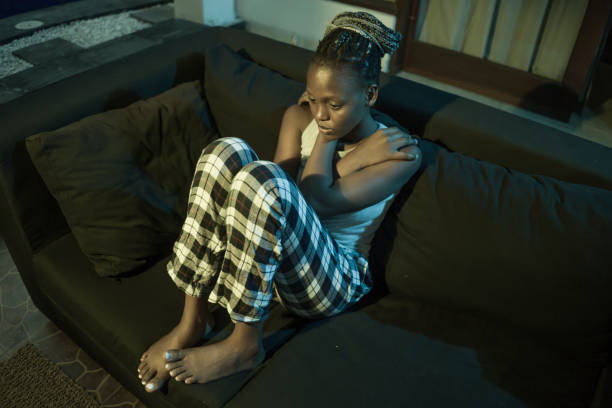
Caregivers of autistic children frequently experience high levels of stress, anxiety, and depression. In contexts where autism is stigmatized, families may face blame, isolation, and financial strain.
Mothers, in particular, are often held responsible for their child’s condition, reflecting broader gendered expectations within many African societies.
3. Educational Disadvantage
Inclusive education remains underdeveloped in many Sub-Saharan African countries. Schools often lack the resources, training, and infrastructure to support neurodivergent learners.
As a result, many autistic children are either excluded from formal education or placed in environments that do not meet their needs.
Toward Culturally Responsive Clinical Practice
Addressing the misinterpretation of autism requires a culturally sensitive approach that acknowledges local belief systems while promoting evidence-based care.
1. Integrating Cultural and Biomedical Models
Rather than dismissing cultural beliefs, clinicians should engage with them constructively. Culturally informed psychoeducation can help bridge the gap between traditional and biomedical perspectives.
2. Community-Based Awareness Programs
Public education campaigns are essential to improving understanding of autism. These initiatives should involve community leaders, religious institutions, and traditional healers to enhance credibility and reach.
3. Training and Capacity Building
There is an urgent need to train mental health professionals in the assessment and management of autism. This includes incorporating neurodevelopmental education into counseling and medical curricula.
4. Policy Development and Advocacy
Governments must prioritize mental health policy reforms that support early diagnosis, inclusive education, and access to services. Advocacy efforts should focus on reducing stigma and promoting the rights of neurodivergent individuals.
Conclusion
Cultural misinterpretations of autism in Sub-Saharan Africa represent a significant barrier to effective clinical care and social inclusion. These interpretations, while rooted in deeply held belief systems, have tangible consequences for diagnosis, treatment, and quality of life.
Addressing this issue requires a nuanced approach that balances cultural sensitivity with scientific rigor. By integrating culturally responsive practices with evidence-based interventions, mental health professionals can improve outcomes for autistic individuals and their families.
The need for action is urgent. Without targeted efforts, autism will remain misunderstood, and countless individuals will continue to be excluded from the support they need to thrive.
References
American Psychiatric Association. (2013). Diagnostic and statistical manual of mental disorders (5th ed.).
Bakare, M. O., & Munir, K. M. (2011). Autism spectrum disorders in Africa: A perspective. African Journal of Psychiatry, 14(3), 208–210.
Bakare, M. O., Ebigbo, P. O., Agomoh, A. O., & Menkiti, N. C. (2009). Knowledge about childhood autism among health workers in Nigeria. Nordic Journal of Psychiatry, 63(5), 426–432.
Kleinman, A. (1980). Patients and healers in the context of culture. University of California Press.
Singer, J. (1999). Why can’t you be normal for once in your life? In M. Corker & S. French (Eds.), Disability discourse. Open University Press.
World Health Organization. (2022). Mental health atlas 2020. WHO Press.