Author: handler
-
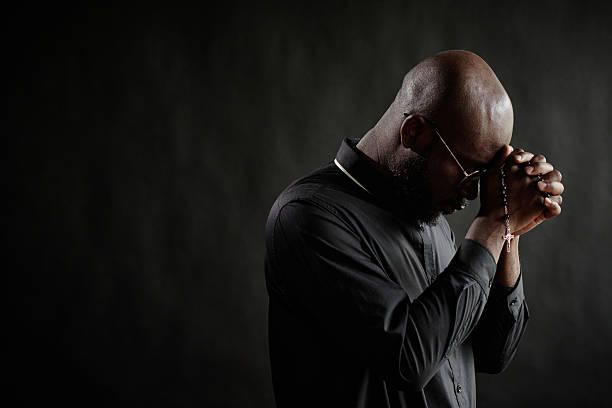
Abstract Mental illness is understood differently across cultures, with explanatory models influencing symptom interpretation, help-seeking behaviors, treatment adherence, and recovery outcomes. Across many African societies, mental disorders are frequently attributed to supernatural forces, including witchcraft, ancestral displeasure, curses, spirit possession, and divine punishment. While these beliefs reflect deeply rooted cultural and religious worldviews, they may…
-

Breaking the Silence: The Psychological Consequences of Childhood Sexual Abuse in Sub-Saharan Africa
Abstract Childhood sexual abuse (CSA) represents one of the most pervasive yet underreported violations of children’s rights globally. In Sub-Saharan Africa, the burden of CSA is compounded by cultural silence, stigma, weak child protection systems, and limited access to trauma-informed mental health services. Beyond its immediate physical and emotional effects, childhood sexual abuse significantly disrupts…
-
Understanding how cultural expectations influence emotional expression, vulnerability, and professional help-seeking among young Nigerian men. Abstract Mental health disorders constitute a growing public health concern globally, yet young men remain among the least likely groups to seek professional psychological support. In Nigeria, traditional constructions of masculinity profoundly influence attitudes toward emotional expression, vulnerability, and help-seeking.…
-

Abstract Adverse Childhood Experiences (ACEs) constitute one of the most significant predictors of long-term psychological dysfunction across the lifespan. In Nigeria, socioeconomic instability, domestic violence, child neglect, poverty, communal conflict, and systemic institutional failures expose millions of children to chronic adversity during critical developmental stages. Despite growing international research on ACEs, African-centered scholarship remains limited,…
-

When we think of mental illness, we mostly think of the adult. We think about the juggling of the family coupled with adult stress and in this part of our world, traffic. By doing this most times, we neglect the children or should we say the adolescence in general. The mental health of children is…
-
Introduction A male client in his early forties presented with persistent and unfounded suspicions of infidelity toward his spouse. His symptoms included delusional jealousy, emotional volatility and behavioral surveillance. Prior to therapy, he had undergone multiple spiritual interventions, including deliverance sessions, however, his presentation aligned with Othello Syndrome, a psychiatric condition requiring structured psychological and…
-
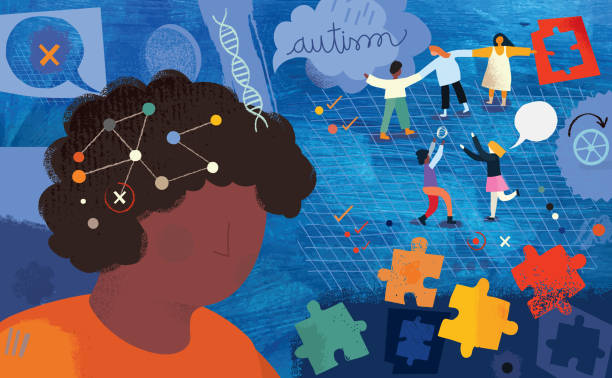
Abstract Autism Spectrum Disorder (ASD) remains significantly misunderstood across Sub-Saharan Africa, where cultural, spiritual, and socio-economic frameworks often shape its interpretation. Rather than being recognized as a neurodevelopmental condition, autism is frequently attributed to supernatural causation, moral transgression, or parental failure. These misinterpretations contribute to delayed diagnosis, stigmatization, and inadequate clinical intervention. This paper critically…
-

In Nigeria and many parts of the world, it is not uncommon to hear children who struggle academically being labeled “olodo”—a derogatory term meaning “dull” or “dumb.” While these labels may seem harmless to some, they are deeply damaging to children’s self-esteem, identity, and future. Psychology and education research make one thing clear: no child…
-

It is a common saying that “there’s good in everyone.” While it may sound idealistic, psychology provides evidence that this belief is more than just optimism—it reflects deep truths about human nature. The Human Capacity for Good Humanistic psychology, pioneered by Carl Rogers and Abraham Maslow, emphasizes that people are inherently driven toward growth, connection,…
-

In many Nigerian homes, mental health is hardly ever talked about, especially when it involves anxiety, which is often misinterpreted as laziness, weakness, or even disobedience rather than being seen as a valid emotional experience. The shame surrounding mental illness, along with deeply ingrained cultural values of resilience, creates an environment where individuals struggling with…