Understanding how cultural expectations influence emotional expression, vulnerability, and professional help-seeking among young Nigerian men.
Abstract
Mental health disorders constitute a growing public health concern globally, yet young men remain among the least likely groups to seek professional psychological support. In Nigeria, traditional constructions of masculinity profoundly influence attitudes toward emotional expression, vulnerability, and help-seeking. Dominant cultural expectations often portray men as stoic, self-reliant, emotionally restrained, and psychologically resilient, thereby discouraging acknowledgment of emotional distress and reducing engagement with mental health services. This paper critically examines how masculine norms shape help-seeking behaviors among young Nigerian men. Drawing upon theories of hegemonic masculinity, gender role conflict, and the Health Belief Model, this article explores the psychological, sociocultural, and structural barriers to mental health utilization. It further highlights the implications of delayed help-seeking, including increased rates of substance misuse, aggression, suicide, and untreated psychiatric conditions. The paper advocates for gender-sensitive, culturally responsive mental health interventions capable of transforming help-seeking from a perceived weakness into an act of psychological strength.
Keywords: masculinity, mental health, help-seeking, Nigerian youth, gender norms, psychological distress
Introduction
Globally, men experience significant mental health challenges but demonstrate lower rates of professional help-seeking compared to women (Addis & Mahalik, 2003). This paradox has generated considerable scholarly attention, particularly in relation to how social constructions of masculinity shape men’s perceptions of psychological distress and influence their willingness to seek support.
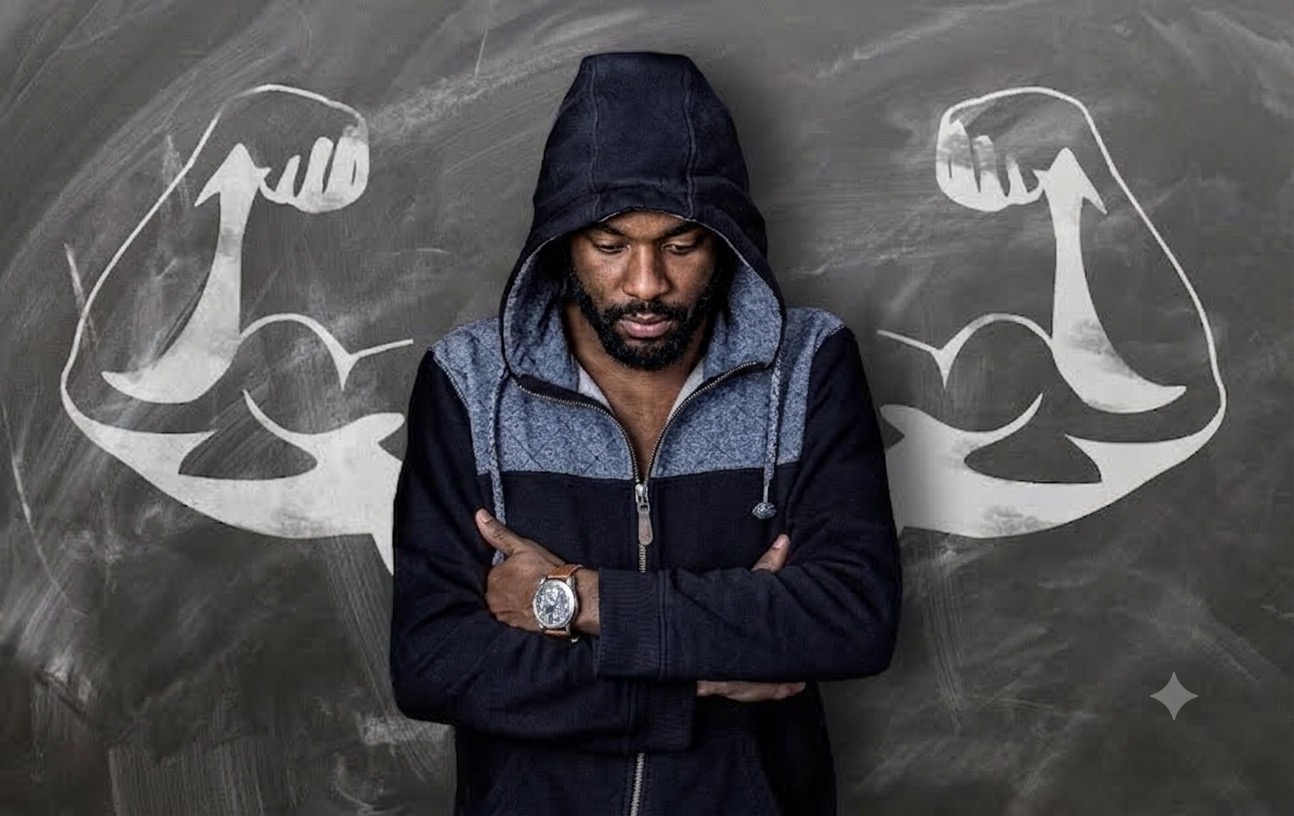
In Nigeria, the issue assumes particular significance. The transition to adulthood occurs within a socio-cultural environment characterized by economic instability, unemployment, shifting gender expectations, and increasing psychosocial pressures. Young Nigerian men are expected to embody strength, financial competence, emotional control, and leadership. Expressions of vulnerability are frequently interpreted as weakness, incompetence, or failure to fulfill masculine obligations.
These expectations can become psychologically burdensome. While men may experience depression, anxiety, trauma, loneliness, and suicidal ideation, cultural norms often encourage silence rather than disclosure. Consequently, many young Nigerian men suffer in isolation until emotional distress manifests through maladaptive coping strategies or severe psychiatric crises.
This article explores the intersection between masculinity and mental health within the Nigerian context, with particular emphasis on understanding why young men avoid seeking help and how counseling professionals can address this silent crisis.
Understanding Masculinity as a Social Construction
Masculinity refers not merely to biological maleness but to socially constructed expectations regarding how men should think, behave, and relate to others (Connell, 2005). These expectations vary across cultures but frequently emphasize traits such as:
- Emotional restraint
- Independence
- Competitiveness
- Dominance
- Physical and psychological toughness
- Provider responsibility
Connell’s (2005) concept of hegemonic masculinity describes the culturally idealized form of manhood that legitimizes male dominance and establishes standards against which men evaluate themselves.
In Nigeria, masculine identity is often linked to one’s capacity to provide financially, command respect, suppress emotional vulnerability, and endure hardship without complaint. While these attributes may foster resilience, rigid adherence to them can undermine psychological wellbeing.
“Seeking psychological support is not weakness; it is a responsible step toward emotional stability and healthier living.”
Mental Health Among Young Nigerian Men
Young adulthood represents a period of heightened vulnerability to psychological disorders. Developmental transitions involving identity formation, employment pressures, relationship responsibilities, and societal expectations create significant emotional demands.
Common mental health concerns among Nigerian men include:
Depression
Depression among men frequently presents atypically through irritability, anger, emotional numbness, fatigue, or risk-taking behaviors rather than overt sadness.
Anxiety Disorders
Performance anxiety related to career success, marriage prospects, and economic responsibilities often remains concealed beneath socially acceptable expressions of confidence.
Substance Use Disorders
Alcohol and psychoactive substances are sometimes used to regulate distress, facilitate emotional avoidance, or reinforce masculine social bonding.
Suicidal Ideation
Although underreported, emerging evidence suggests increasing rates of suicidal thoughts among Nigerian youth, particularly among men experiencing hopelessness and social isolation.
Theoretical Perspectives Explaining Help-Seeking Behaviors
Hegemonic Masculinity Theory
According to Connell (2005), hegemonic masculinity promotes ideals that discourage emotional openness and dependence on others.
Seeking psychological help may therefore threaten masculine identity because it requires acknowledging vulnerability and perceived loss of control.
Gender Role Conflict Theory
O’Neil (2008) proposed that rigid adherence to traditional male roles can generate psychological strain known as gender role conflict.
This conflict emerges when men experience tension between emotional needs and societal expectations.
Manifestations include:
- Restricted emotionality
- Fear of appearing weak
- Difficulty expressing affection
- Reluctance to seek assistance
Gender role conflict has consistently been associated with negative attitudes toward counseling.
Health Belief Model
The Health Belief Model suggests that individuals seek healthcare when they:
- Perceive themselves as vulnerable
- Recognize the seriousness of their condition
- Believe treatment will be beneficial
- Encounter minimal barriers
Young Nigerian men often underestimate their vulnerability to psychological disorders while overestimating the social costs associated with seeking professional help.
Barriers to Mental Health Help-Seeking Among Young Nigerian Men
1. Cultural Expectations of Strength
Common expressions such as:
- “Men don’t cry.”
- “Be a man.”
- “Handle your problems yourself.”
reinforce emotional suppression and discourage disclosure of distress.
These messages are often internalized during childhood and adolescence.
2. Mental Health Stigma
Stigma remains a major barrier to treatment utilization in Nigeria (Gureje et al., 2005).
Young men may fear being labeled:
- Weak
- Unstable
- Spiritually deficient
- Incapable of leadership
The anticipated judgment from peers, family, and community members often outweighs perceived benefits of treatment.
3. Limited Mental Health Literacy
Many young men struggle to recognize symptoms of psychological distress.
Depression may be interpreted as laziness.
Anxiety may be viewed as insufficient faith.
Burnout may be normalized as part of adulthood.
Without adequate mental health literacy, professional intervention is rarely considered.
4. Religious and Spiritual Interpretations
Religion plays a significant role in Nigerian society.
Although faith communities can provide emotional support, psychological symptoms are sometimes attributed exclusively to:
- Spiritual attacks
- Sin
- Demonic influence
- Insufficient religious commitment
Consequently, professional counseling may be delayed or avoided altogether.
5. Structural Barriers
Even when men are willing to seek support, structural obstacles persist:
- Shortage of mental health professionals
- Financial constraints
- Limited insurance coverage
- Geographic inaccessibility
- Inadequate youth-friendly services
These barriers further discourage engagement.
Consequences of Delayed Help-Seeking
The reluctance to seek help carries substantial psychological and societal costs.
Psychological Consequences
- Chronic depression
- Generalized anxiety
- Trauma-related disorders
- Emotional dysregulation
- Increased suicide risk
Behavioral Consequences
- Substance misuse
- Aggressive behaviors
- Gambling
- Sexual risk-taking
- Work dysfunction
Interpersonal Consequences
- Relationship conflict
- Intimacy difficulties
- Parenting challenges
- Social withdrawal
Societal Consequences
Untreated mental health conditions reduce productivity, increase healthcare burdens, and perpetuate harmful norms surrounding masculinity.
Reframing Masculinity and Help-Seeking
A critical step toward improving outcomes involves redefining help-seeking within culturally acceptable masculine narratives.
Counseling can be reframed as:
- A proactive strategy for self-mastery
- An investment in personal effectiveness
- A demonstration of responsibility
- A sign of courage rather than weakness
Promoting psychological flexibility allows men to maintain valued aspects of masculinity while embracing emotional authenticity.
Implications for Counseling Practice
Gender-Sensitive Counseling
Counselors should recognize how masculine socialization shapes emotional expression and therapeutic engagement.
Mental Health Literacy Campaigns
Educational initiatives targeting schools, universities, workplaces, and religious institutions can normalize discussions about men’s mental health.
Community and Faith Partnerships
Engaging religious leaders and community influencers may reduce stigma and improve referral pathways.
Male-Friendly Services
Services should be accessible, confidential, affordable, and tailored to young men’s communication preferences.
Early Prevention Programs
Teaching emotional regulation, resilience, and healthy masculinity during adolescence may reduce future barriers to help-seeking.
Key Takeaway
Young men should be encouraged to see help-seeking as strength, responsibility, and psychological maturity—not as weakness.
Conclusion
The relationship between masculinity and mental health help-seeking among young Nigerian men represents a critical yet underexplored public health concern. Traditional masculine norms, while often promoting resilience and responsibility, can also inhibit emotional expression and discourage access to professional support.
Young Nigerian men frequently navigate immense psychological pressures within environments that equate vulnerability with weakness. The result is a silent epidemic of untreated distress, manifested through depression, substance misuse, aggression, and suicide risk.
Addressing this challenge requires more than increasing service availability. It demands a cultural shift in how masculinity is conceptualized and enacted. Mental health professionals, educators, policymakers, faith leaders, and communities must work collaboratively to redefine help-seeking as compatible with strength, responsibility, and healthy manhood.
When young men are empowered to seek support without fear of judgment, they not only improve their own wellbeing but also contribute to healthier families, communities, and societies.
References
Addis, M. E., & Mahalik, J. R. (2003). Men, masculinity, and the contexts of help seeking. American Psychologist, 58(1), 5-14. https://doi.org/10.1037/0003-066X.58.1.5
Connell, R. W. (2005). Masculinities (2nd ed.). University of California Press.
Gureje, O., Olley, B. O., Ephraim-Oluwanuga, O., & Kola, L. (2005). Do beliefs about causation influence attitudes to mental illness? World Psychiatry, 4(2), 104-107.
O’Neil, J. M. (2008). Summarizing twenty-five years of research on men’s gender role conflict using the Gender Role Conflict Scale. The Counseling Psychologist, 36(3), 358-445. https://doi.org/10.1177/0011000008317057
Rickwood, D., Deane, F. P., Wilson, C. J., & Ciarrochi, J. (2005). Young people’s help-seeking for mental health problems. Australian e-Journal for the Advancement of Mental Health, 4(3), 218-251. https://doi.org/10.5172/jamh.4.3.218
Seidler, Z. E., Dawes, A. J., Rice, S. M., Oliffe, J. L., & Dhillon, H. M. (2016). The role of masculinity in men’s help-seeking for depression: A systematic review. Clinical Psychology Review, 49, 106-118. https://doi.org/10.1016/j.cpr.2016.09.002
World Health Organization. (2022). Mental health atlas 2020. World Health Organization.